A Guide to What Paganism Is And What It Isn’t
Paganism is often a very misunderstood spiritual practice. For some, the word conjures images of ancient sacrifice rituals, fantasy novels, or inaccurate stereotypes shaped by movies and religious misinformation. In reality, Paganism is a diverse and evolving spiritual path practiced by millions of people worldwide today - who all have one thing in common: a reverance for nature and the natural world.
First things first, let’s explore what Paganism is not before getting into what it’s actually all about.
Paganism Is Not Satanic or Demonic
One of the most persistent myths is that Paganism involves devil worship. This is incorrect. Satan is a figure from Christianity, and most Pagan traditions do not recognise or believe in Satan at all. Pagan deities and spirits come from entirely different mythological and cultural frameworks. This was used as a way for Christians to convert the local population from Paganism to Christianity centuries ago, and this damaging rhetoric unfortunately still lives on today.
Paganism Is Not Evil or Dangerous
Paganism does not promote harm, violence, or immoral behaviour. Like any belief system, ethical standards vary, but most Pagan paths emphasise responsibility, balance, and respect for others. Popular ideas about curses, dark magic, or sinister rituals are largely fictional.
Paganism Does Not Welcome Supremacy
Some groups of people claim that certain Pagan traditions (e.g., Norse, Celtic, Slavic) belong only to people of specific bloodlines and that those people are superior to others. It frequently overlaps with white supremacy, and is not welcome in true Pagan practices. Please use your discernment when joining groups and viewing content online.
Paganism Is Not One Belief System
There is no single Pagan doctrine, leader, or rulebook. Assuming all Pagans believe the same things is like assuming all Christians or Buddhists practice identical things. Paganism is diverse by nature and is not a ‘one size fits all’ - meaning, what you resonate with doesn’t have to be what another Pagan has to do in their own practice.
Paganism Is Not Anti-Science
Many Pagans embrace science and critical thinking. Honouring nature does not mean rejecting modern medicine, astronomy, or environmental science. In fact, many Pagans value scientific understanding as a way to deepen their connection to the natural world.
Paganism Is Not Just a Trend or Aesthetic
While Pagan symbols and imagery are popular online, Paganism is not simply an aesthetic or fashion statement. For practitioners, it is a meaningful spiritual path involving nature, as well as self-reflection, ritual, and personal growth.
What Is Paganism?
Paganism is an umbrella term for a wide range of spiritual, religious, and philosophical traditions that are typically centred around nature, polytheistic or animistic, and often inspired by pre-Christian belief systems of Europe.
Modern Paganism (also called Contemporary/Modern Paganism or Neopaganism) includes traditions such as:
Druidry (Celtic Paganism)
Heathenry (Norse Paganism)
Hellenism (Greek Paganism)
Eclectic and solitary Pagan paths
Wicca
While beliefs and practices vary widely, many Pagans share common values:
A deep respect for nature and the Earth
Honouring cycles such as the seasons, moon phases, and life transitions
Personal spiritual experience over rigid dogma
Reverence for deities, ancestors, spirits, or natural forces
Paganism is not a single religion with one sacred text or authority. Instead, it is a pluralistic spiritual landscape, allowing practitioners to adapt traditions in meaningful, personal ways that means something to them.
Paganism Is a Living, Modern Practice
Contrary to popular belief, Paganism is not ‘dead’ or something of the past, and it is certainly not ‘weird’. While many traditions draw inspiration from ancient cultures, modern Paganism is practiced here and now, shaped by contemporary ethics and lived experience. Rituals may be formal or informal, solitary or communal, spiritual or symbolic. There is no ‘right’ way to be Pagan.
Why Understanding Paganism Matters
Misunderstandings about Paganism can lead to stigma, discrimination, and exclusion. Clear, accurate information helps foster religious literacy, mutual respect, and open dialogue in an increasingly diverse world.
Paganism is not about rebellion - it is about connection to nature, to history, to our ancestors, to community, and to ourselves.
Paganism is a broad family of spiritual traditions rooted in reverence for nature and lived experience. It is not devil worship, not dangerous, and not a monolithic belief system. By separating fact from fiction, we can better understand what Paganism truly is - and what it isn’t.
Whether or not nature-based spirituality is right for you, learning about it offers insight into how humans seek meaning, harmony, and connection in a complex world.
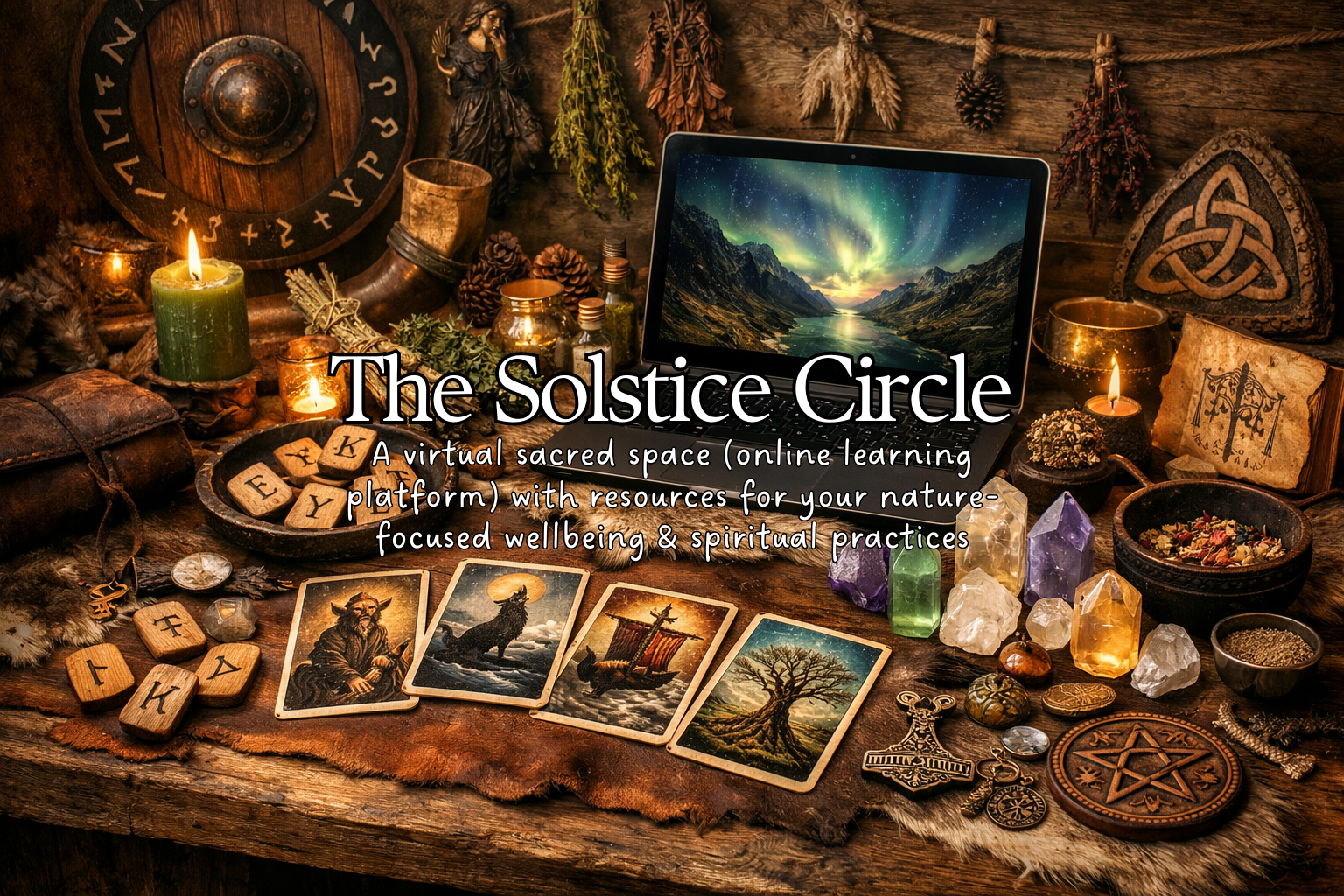
Become a Member of the Solstice Circle
If you’d like to explore a way of living more deeply and learn simple, nature-based spiritual practices you can do at home, you’re invited to join The Solstice Circle.
It’s an online learning space with self-paced short courses and exclusive content, designed to help you reconnect with the natural rhythms of the year.
✨ £7.77 a month
✨Learn gently, in your own time
✨Live in alignment with the seasons