
Blog
Nature-based Spirituality & Holistic Wellbeing
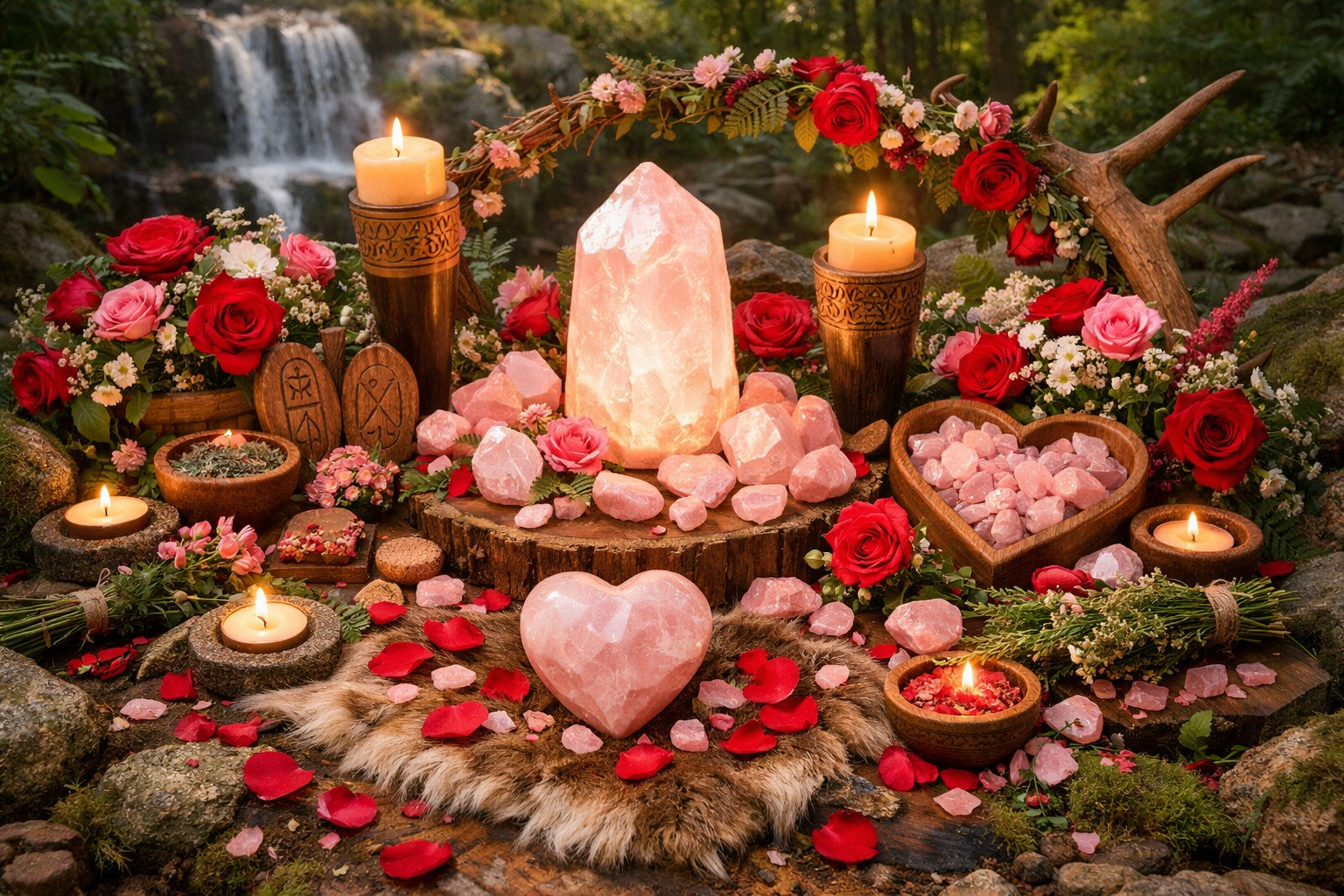
The Pagan Origins of Valentine’s Day: Love, Fertility, and Ancient Rituals
Every February 14th, millions exchange cards, chocolates, and roses in the name of love. But beneath the hearts and candlelit dinners lies a much older story - one rooted not in romance novels, but in ancient Pagan fertility rites and seasonal festivals. The origins of Valentine’s Day stretch back thousands of years, long before it became a Christian or commercial holiday.
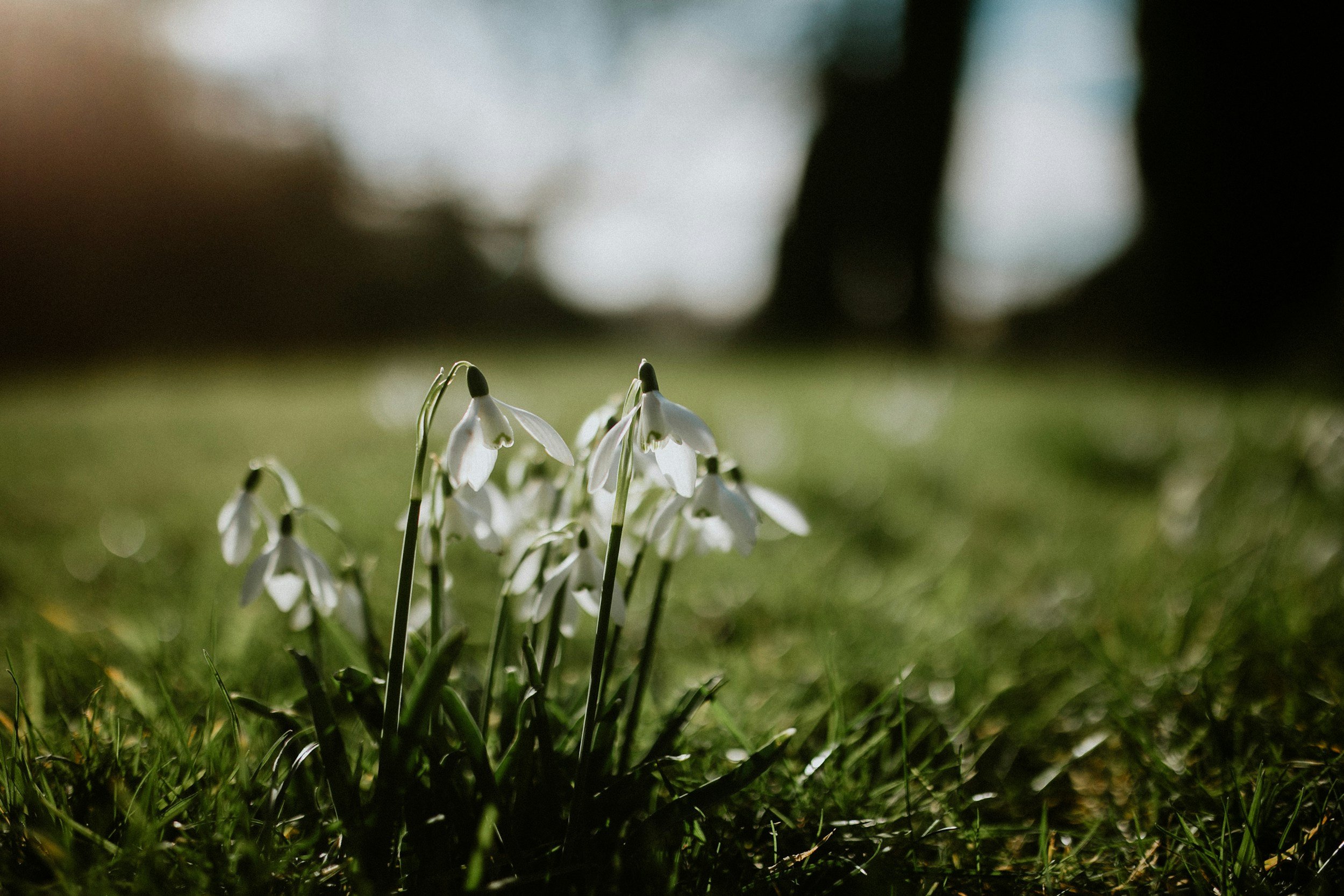
Simple Spring Rituals to Welcome in Imbolc
The Celtic Pagan festival of Imbolc is a time of fresh starts, gentle awakening, and reconnecting with both nature and community. Across cultures and traditions, simple rituals help mark this transition. Discover meaningful and accessible nature-based practices you can incorporate into your daily life, whether you’re spiritually inclined or simply looking to embrace the refreshed energy of the season.
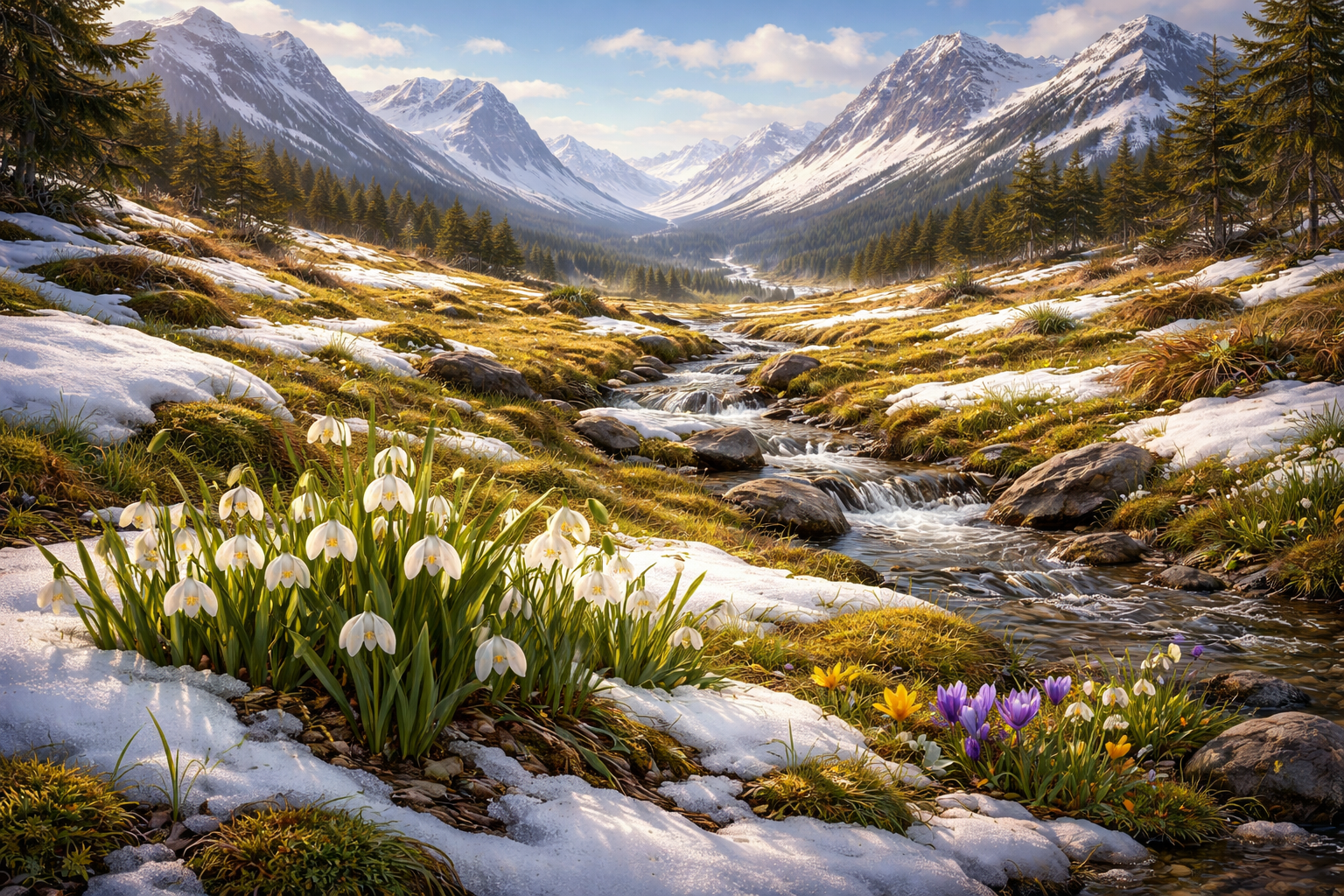
What is the Celtic Nature Festival of Imbolc
Discover what this Celtic Pagan festival is, traditionally celebrated on 2nd February and rooted in Irish tradition, to mark the midway point between the Winter Solstice and the Spring Equinox.
Ringing In The New Year: A Foreword From Alice For 2026
What’s New in 2026: Starting off the New Year strong with the announcement of new and existing services I’m supporting you with this year!
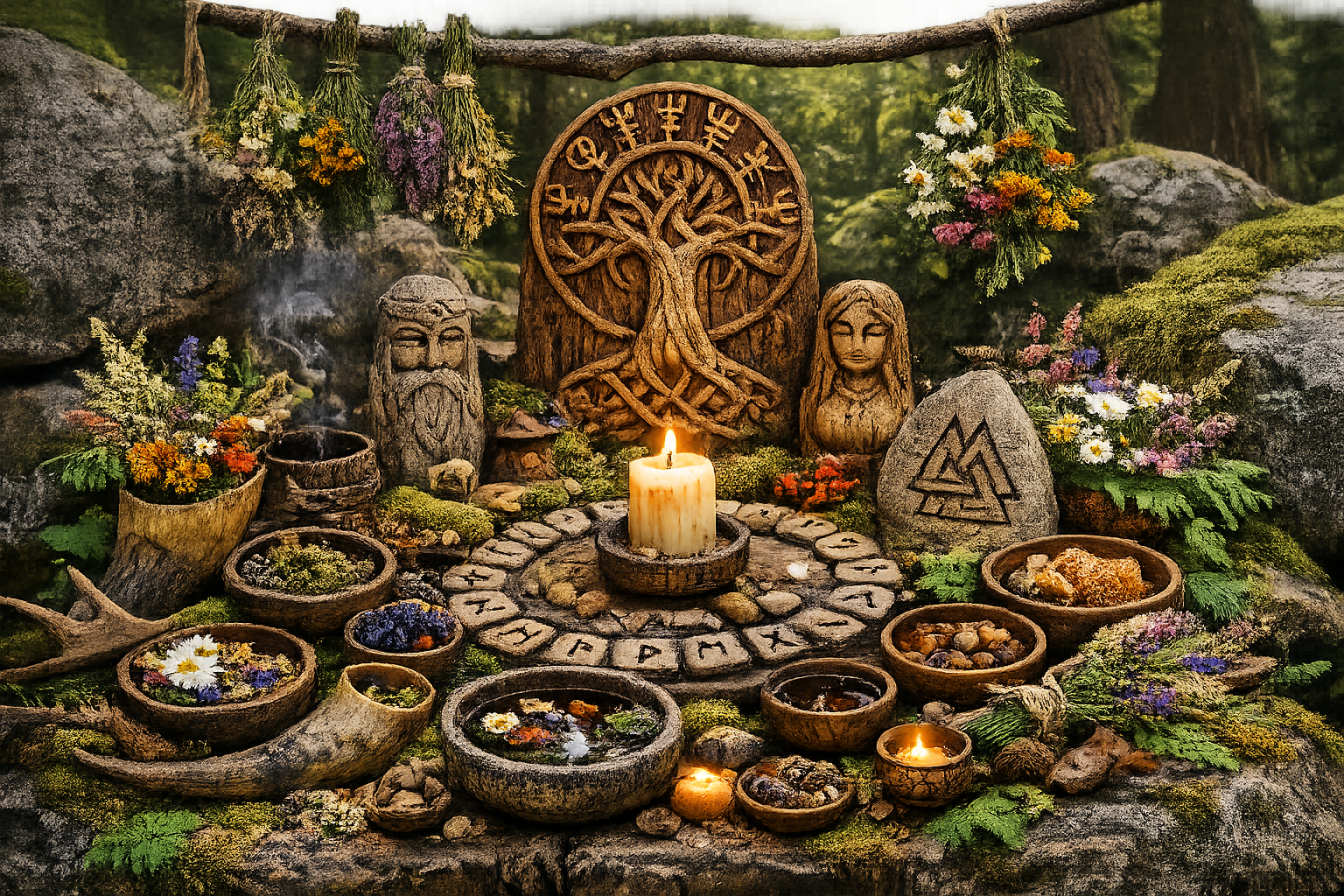
A Guide to What Paganism Is And What It Isn’t
Paganism is often a very misunderstood spiritual practice. For some, the word conjures images of ancient sacrifice rituals, fantasy novels, or inaccurate stereotypes shaped by movies and religious misinformation. In reality, Paganism is a diverse and evolving spiritual path practiced by millions of people worldwide today - who all have one thing in common: a reverance for nature and the natural world.
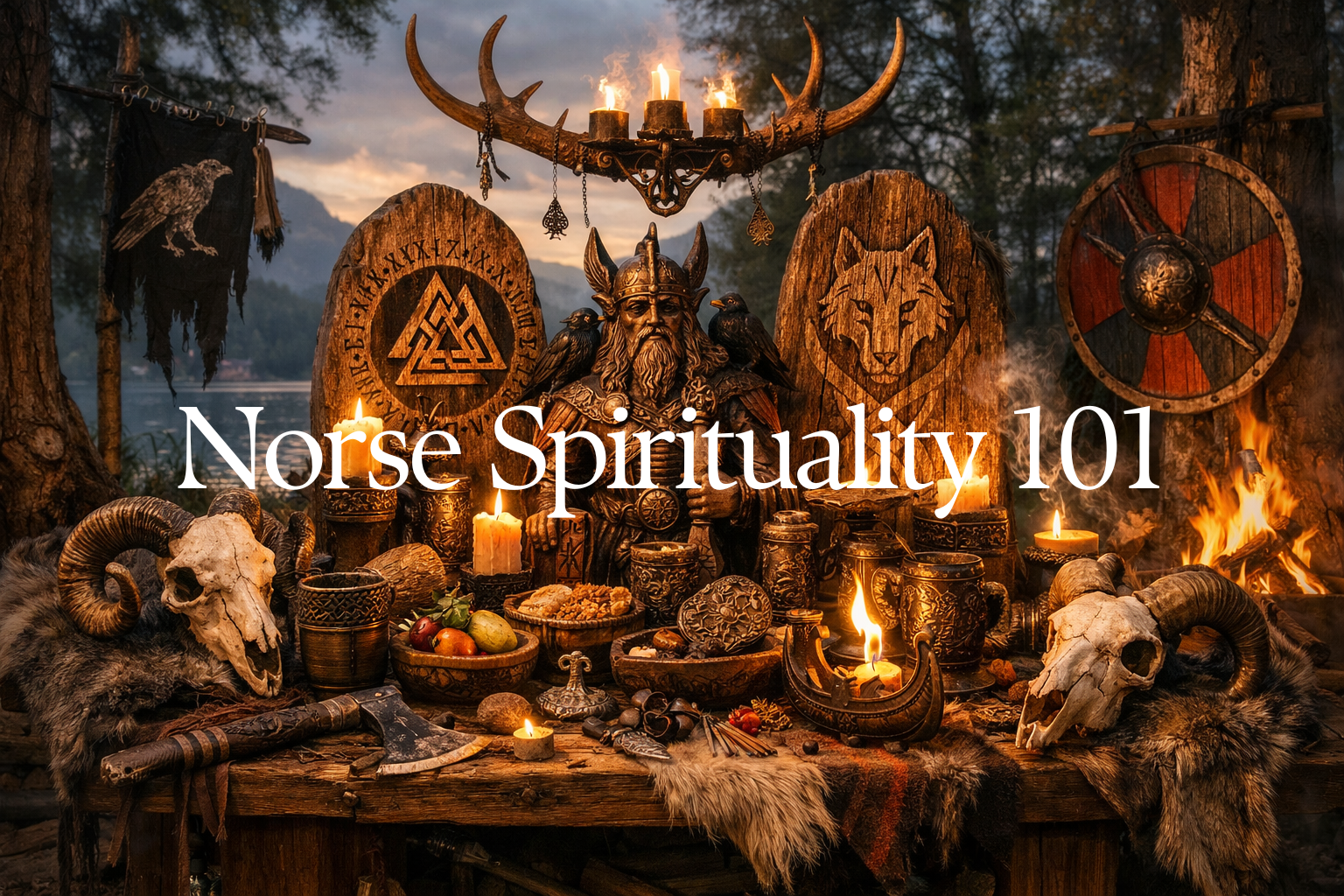
Explore Viking Magick: Norse Spirituality 101
Are you drawn to ancient wisdom, sacred landscapes, and a spirituality shaped by nature and myth? Norse Spirituality 101 is a self-paced online short course designed to guide you into the heart of Norse traditions, beliefs, and spiritual practices - connecting the wisdom of the Viking Age with meaningful modern living. If you’re new to Norse spirituality, this course offers a welcoming and enriching introduction that you can explore at your own pace.

Discover the Wisdom of the Ancients: Celtic Spirituality 101
Are you drawn to ancient wisdom, sacred landscapes, and a spirituality rooted in nature? Celtic Spirituality 101 is a self-paced online short course designed to guide you into the heart of Celtic traditions, beliefs, and spiritual practices - connecting the ancient past with meaningful modern living. If you’re new to Celtic spirituality, this course offers a welcoming and enriching introduction that you can explore at your own pace.
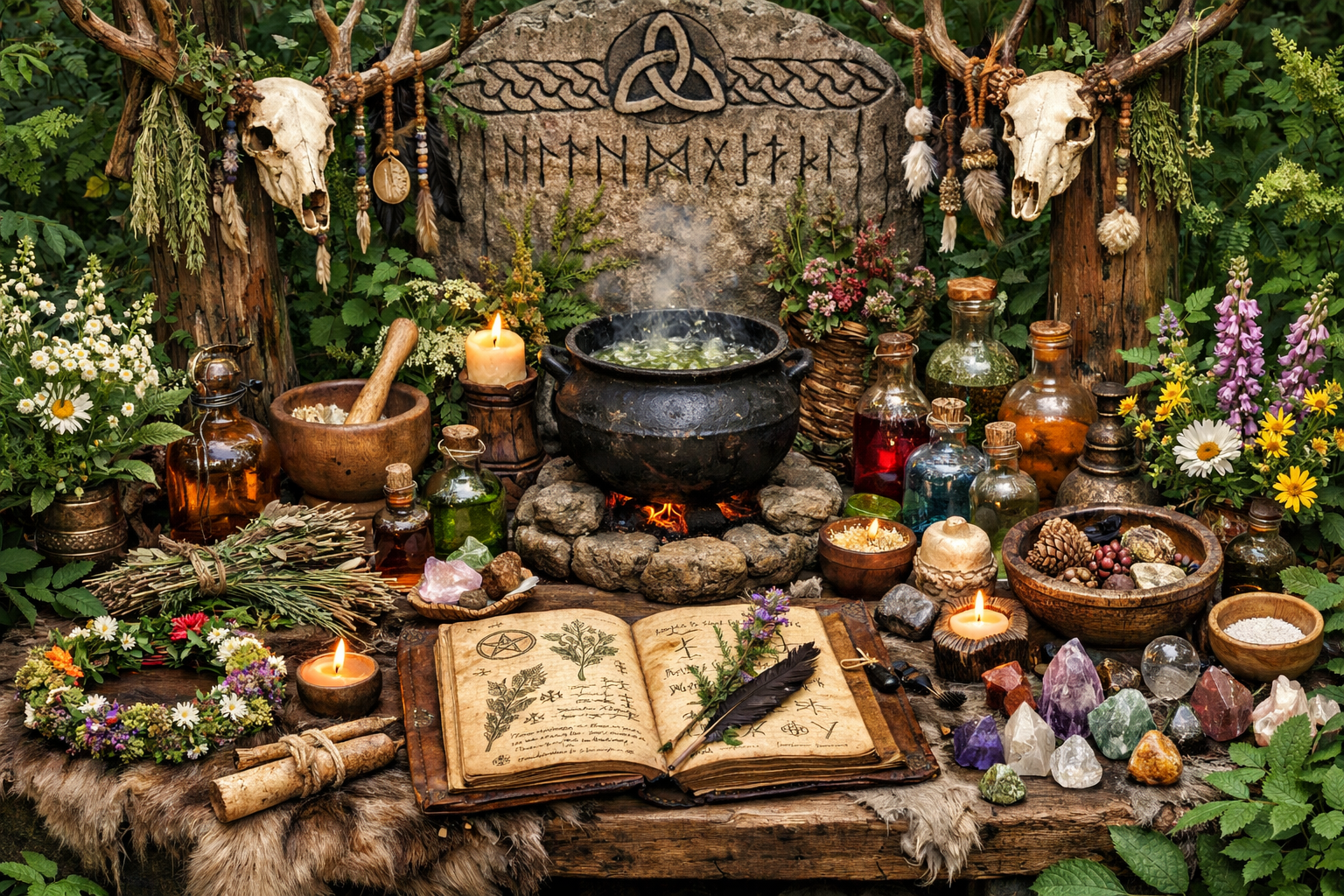
Getting Started with Nature-Based Spiritual Practices: A Beginner’s Guide
In the fast-paced world we now live in, many people have started to feel a quiet pull towards nature. Nature-based spiritual practices offer a gentle way to reconnect with the earth, your inner self, and with a sense of meaning that doesn’t rely on rigid rules or religious beliefs. If you’re a beginner, the good news is that these practices are simple, flexible, and deeply personal to each individual. You don’t need special tools, advanced knowledge, or a specific belief system - just curiosity and an interest in cultivating a better connection with nature, yourself, and the universe.

Setting New Year Goals in Sync with Nature
Every January, we’re encouraged to hit the ground running. We’re supposed to set goals, make plans, and drastically transform your life. But what if this pressure to begin again in the middle of winter is completely out of sync with our natural rhythm? What if there is an older, wiser way of marking new beginning - one that honours rest, reflection, and the slow return of life? Discover the real New Year.
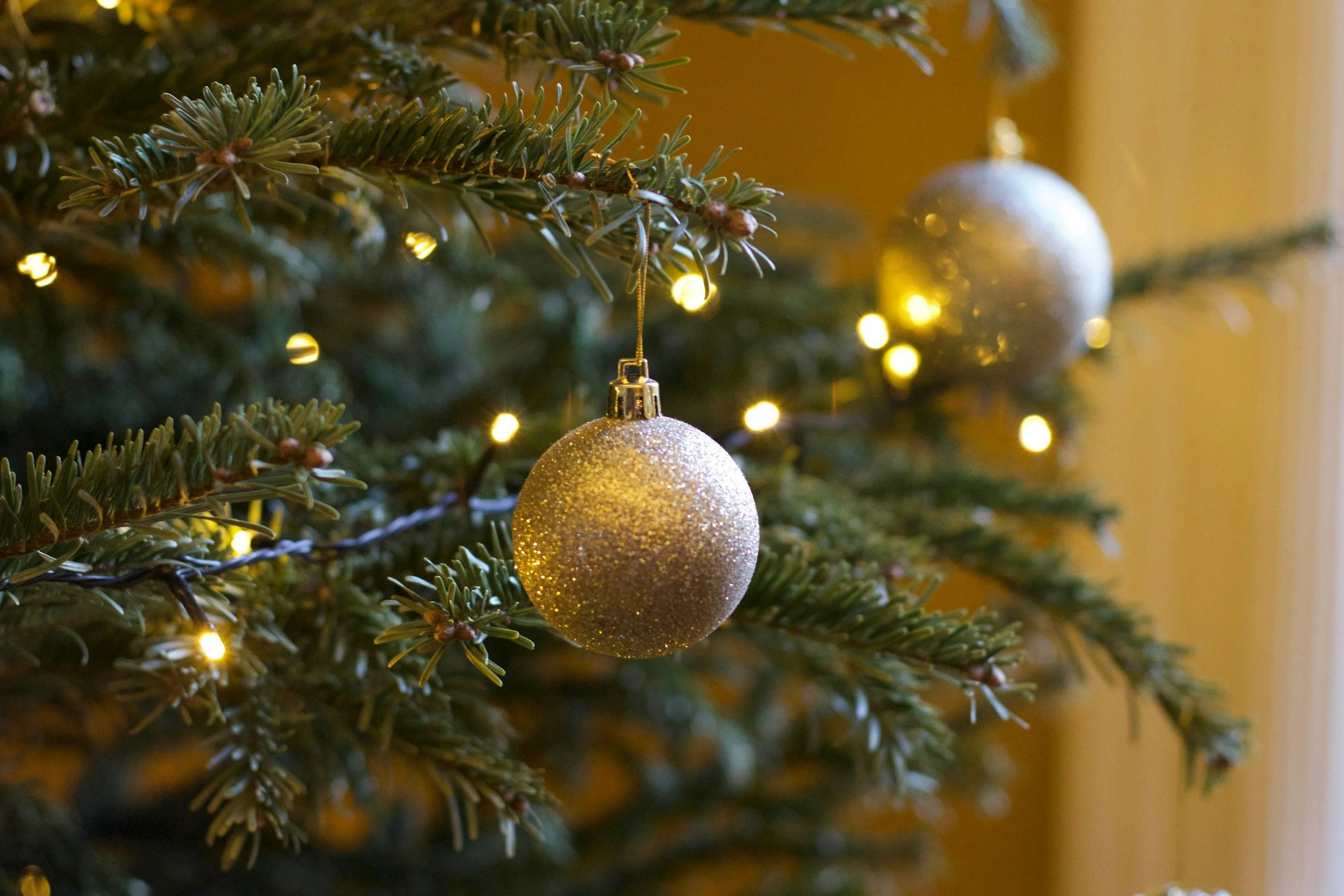
The Ancient Roots of Christmas Tree Decorating
Every December, millions of households gather around to decorate the Christmas tree. It’s a tradition filled with warmth and nostalgia, yet its origins stretch far beyond modern celebrations. The story of Christmas tree decorating weaves together ancient Pagan symbolism and evolving cultural customs before becoming the beloved holiday centerpiece we know today.
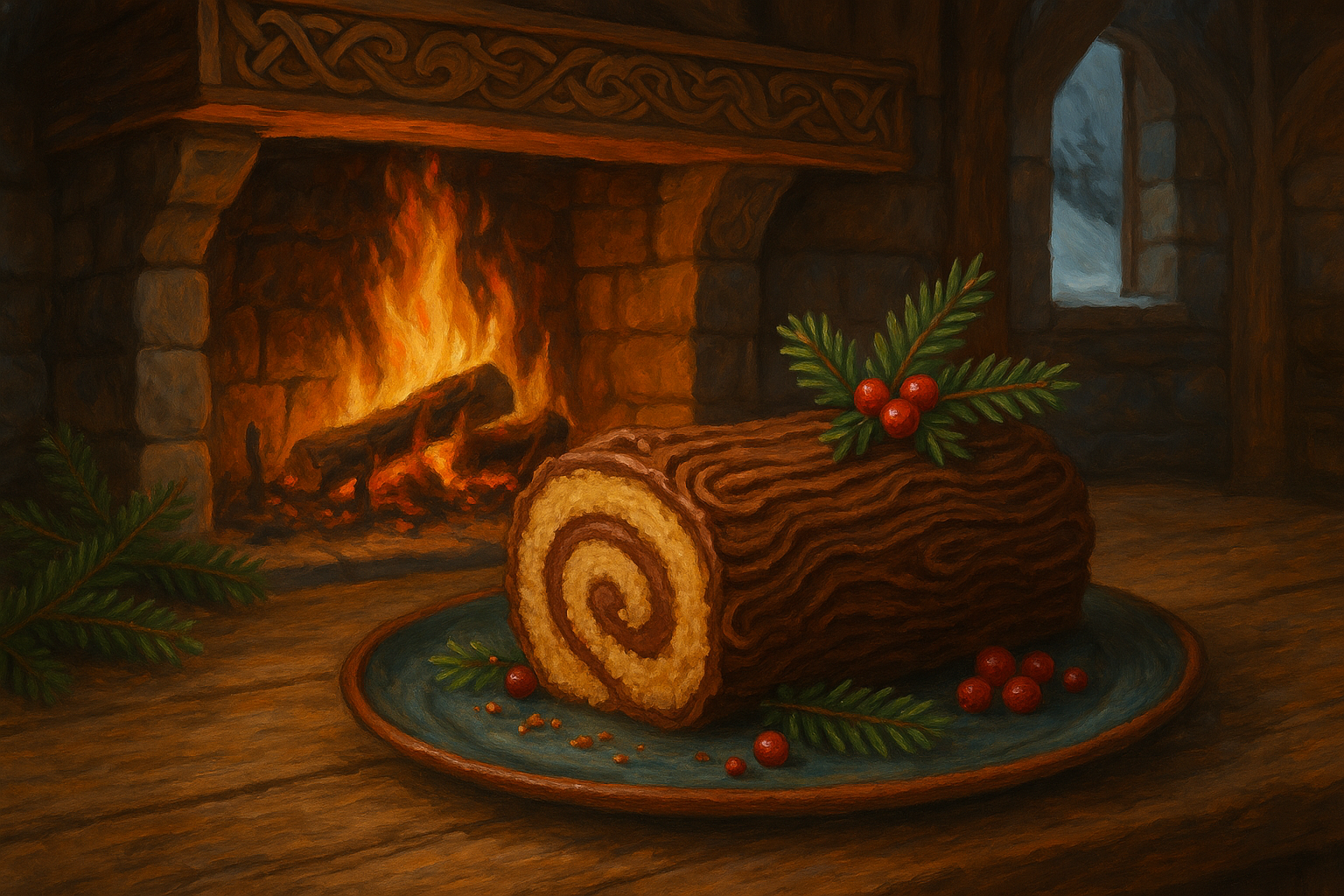
The Real Reason We Decorate Yule Logs at Christmas
Every December, a familiar confection appears on holiday tables: the Yule log cake. This festive dessert is more than just a seasonal treat - it carries within it centuries of ancient Pagan symbolism, folklore, and ritual that stretch back to long before the modern Christmas season existed.
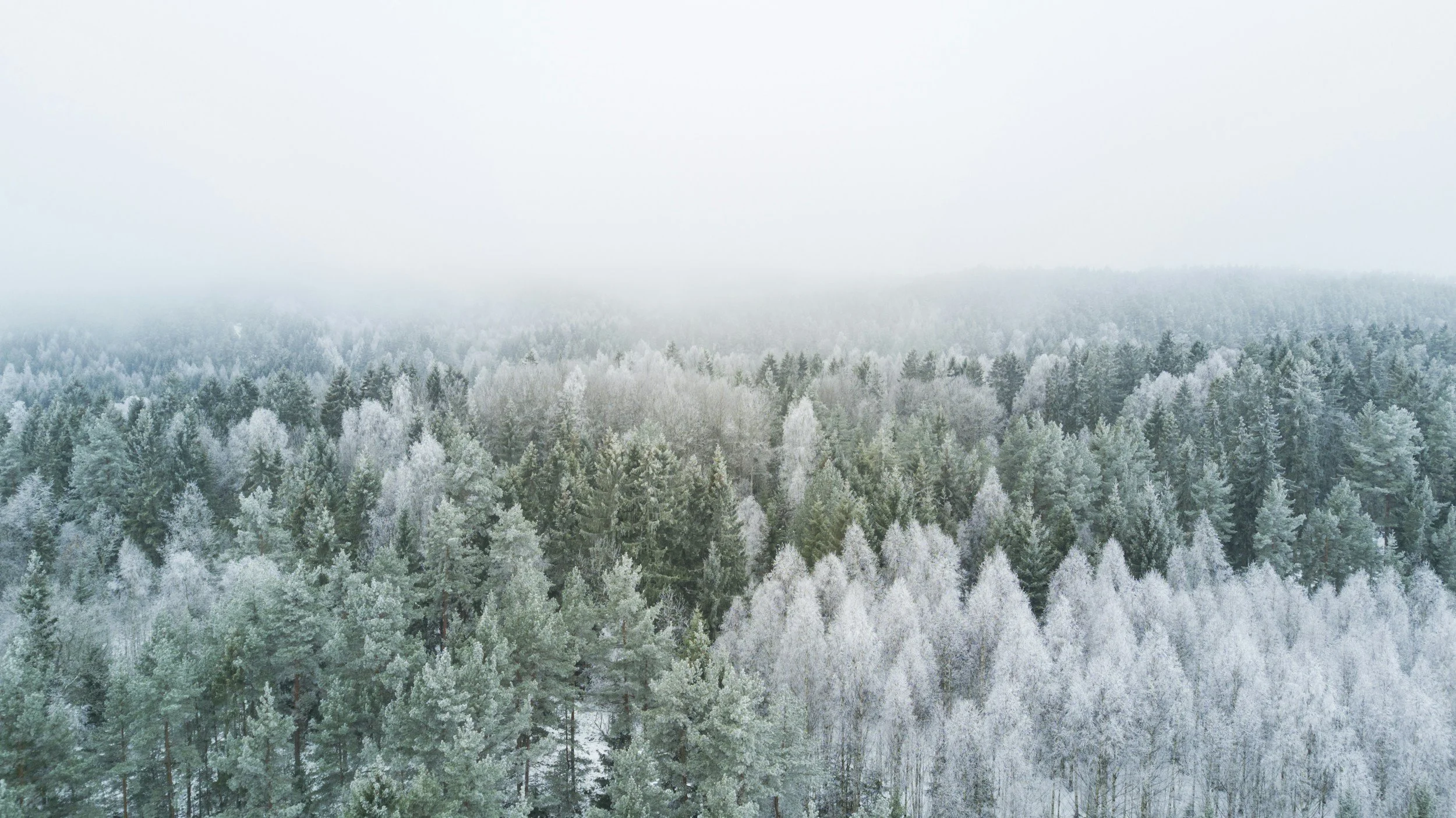
Finding Sacred Stillness: Ways to Connect with Nature Even in Winter
Winter is a time to draw inward and reflect on the year we’ve just endured. The cold, wintery days slows our pace, the dark invites reflection, and the natural world settles into its own quiet rhythm. Yet this season, often misunderstood as barren or lifeless, can be one of the most spiritually rich times of the year. Discover ways you can connect with nature even during the cold winter months.
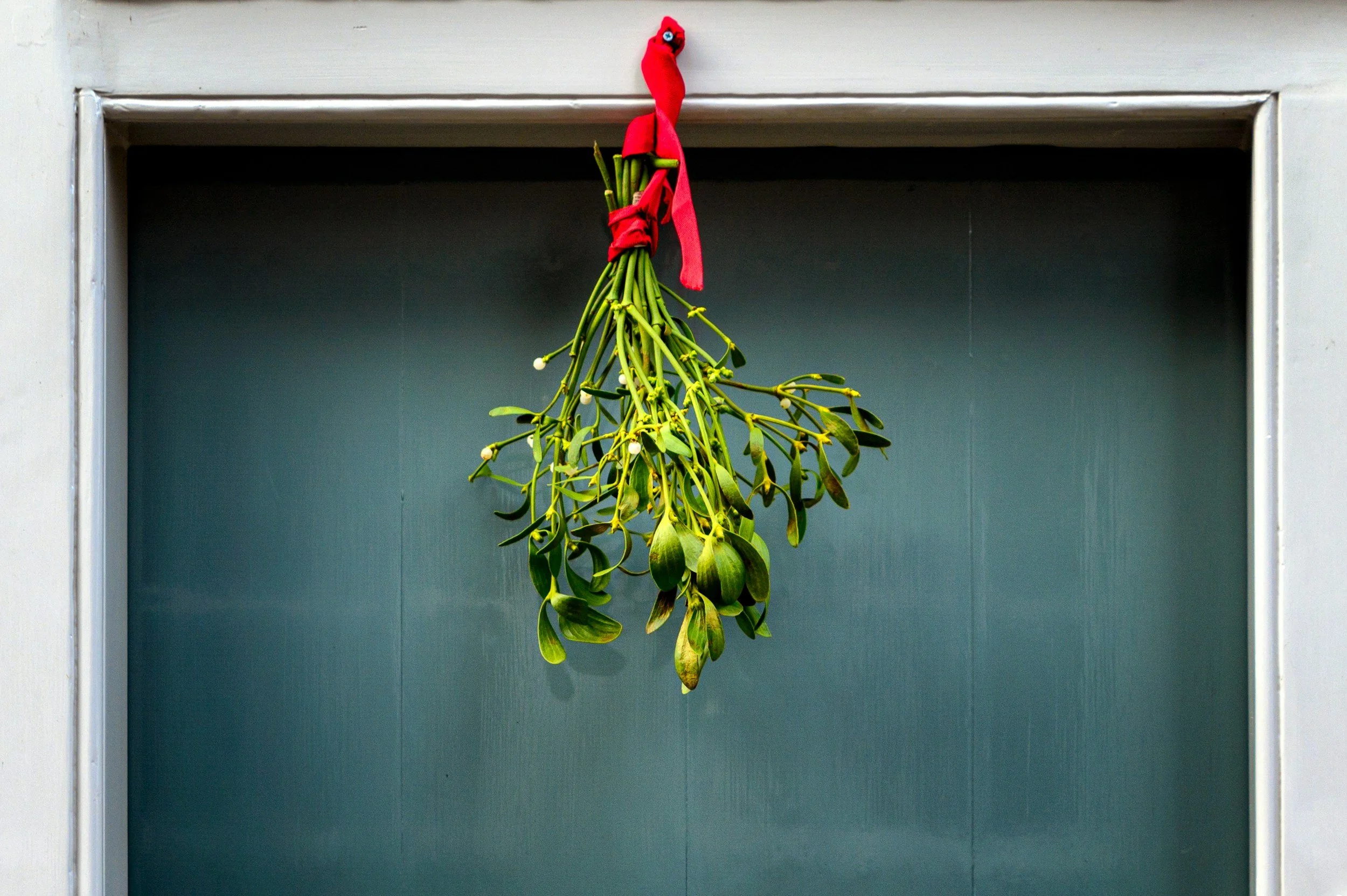
Kissing Under the Mistletoe: Ancient Roots of a Beloved Christmas Tradition
Mistletoe hanging in a doorway is not just an invitation for a festive kiss: this charming Christmas custom carries centuries of symbolism, myth, and sacred ritual. Far from being a simple seasonal decoration, mistletoe has deep roots in ancient European, nature-based spirituality, especially within the practices of the Celtic Druids.
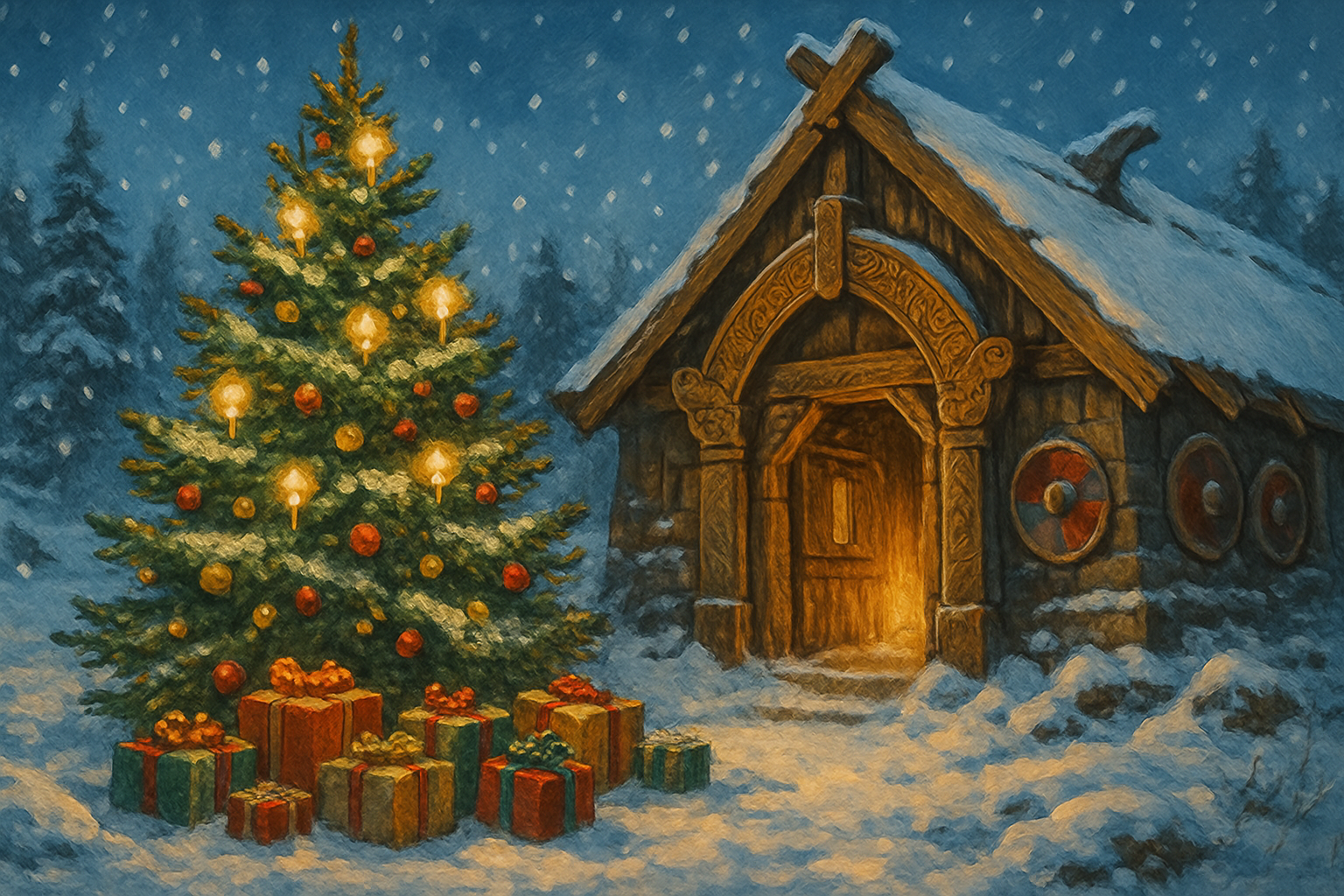
The Pagan Origins of Christmas: Uncovering Ancient Traditions Still Celebrated Today
Christmas, celebrated worldwide on 25th December, is widely recognised as a Christian holiday commemorating the birth of Jesus Christ. However, the origins of many Christmas traditions run much deeper, rooted in ancient Pagan rituals and festivals. Understanding the Pagan influences on Christmas reveals a fascinating blend of cultural adaptation, religious symbolism, and seasonal celebration.
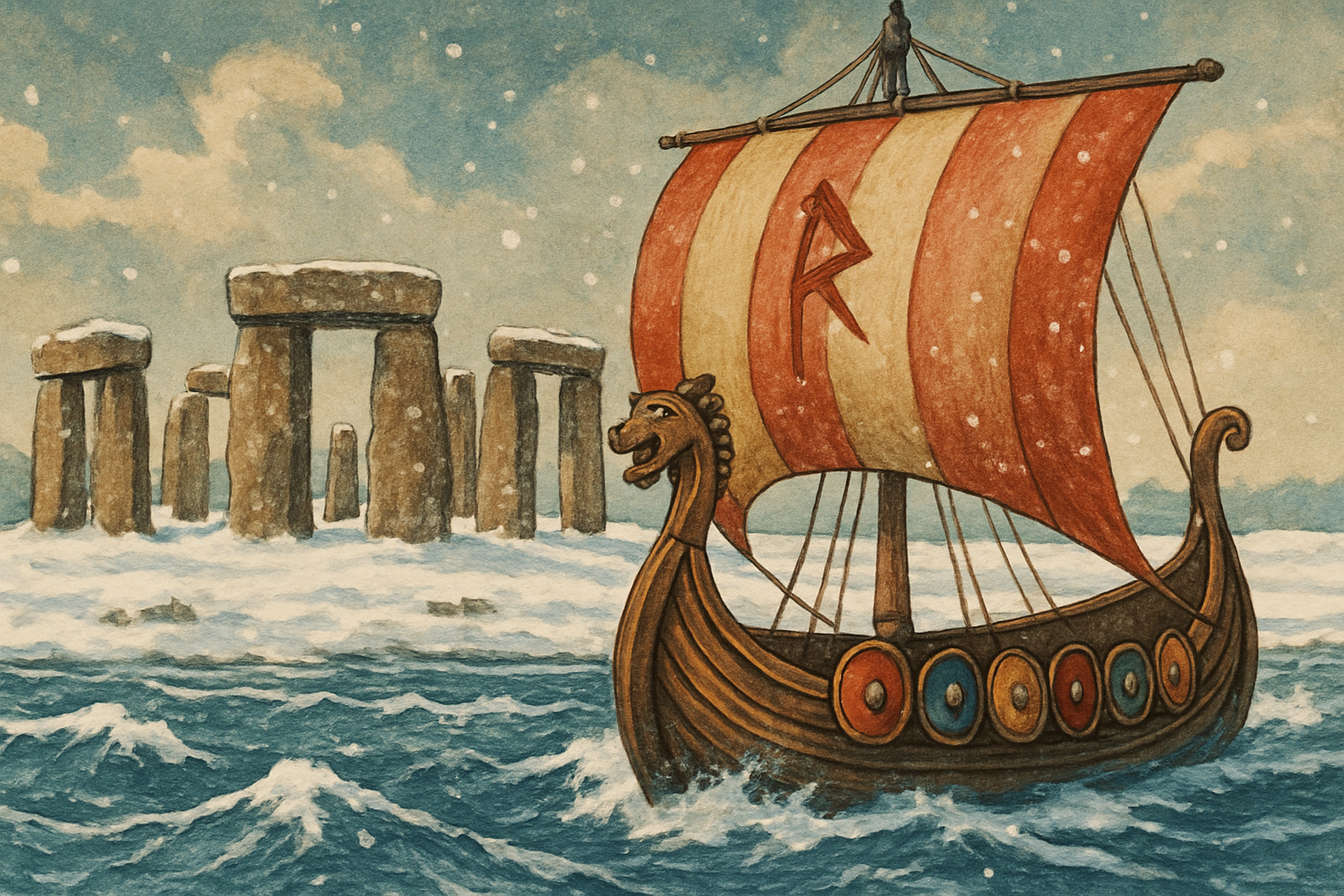
Celtic and Norse Winter Traditions: Ancient Celebrations of Light and Renewal
Winter has long been a season of mystery, magic, and myth. For ancient Celtic and Norse peoples, the darkest time of the year was rich with symbolism - honouring fire and warmth, their ancestors, the returning sun, and the powerful deities who guided them during the changing of the seasons. Understanding these Celtic and Norse Pagan winter traditions offers a fascinating look into how ancient cultures found meaning and resilience in the heart of winter.
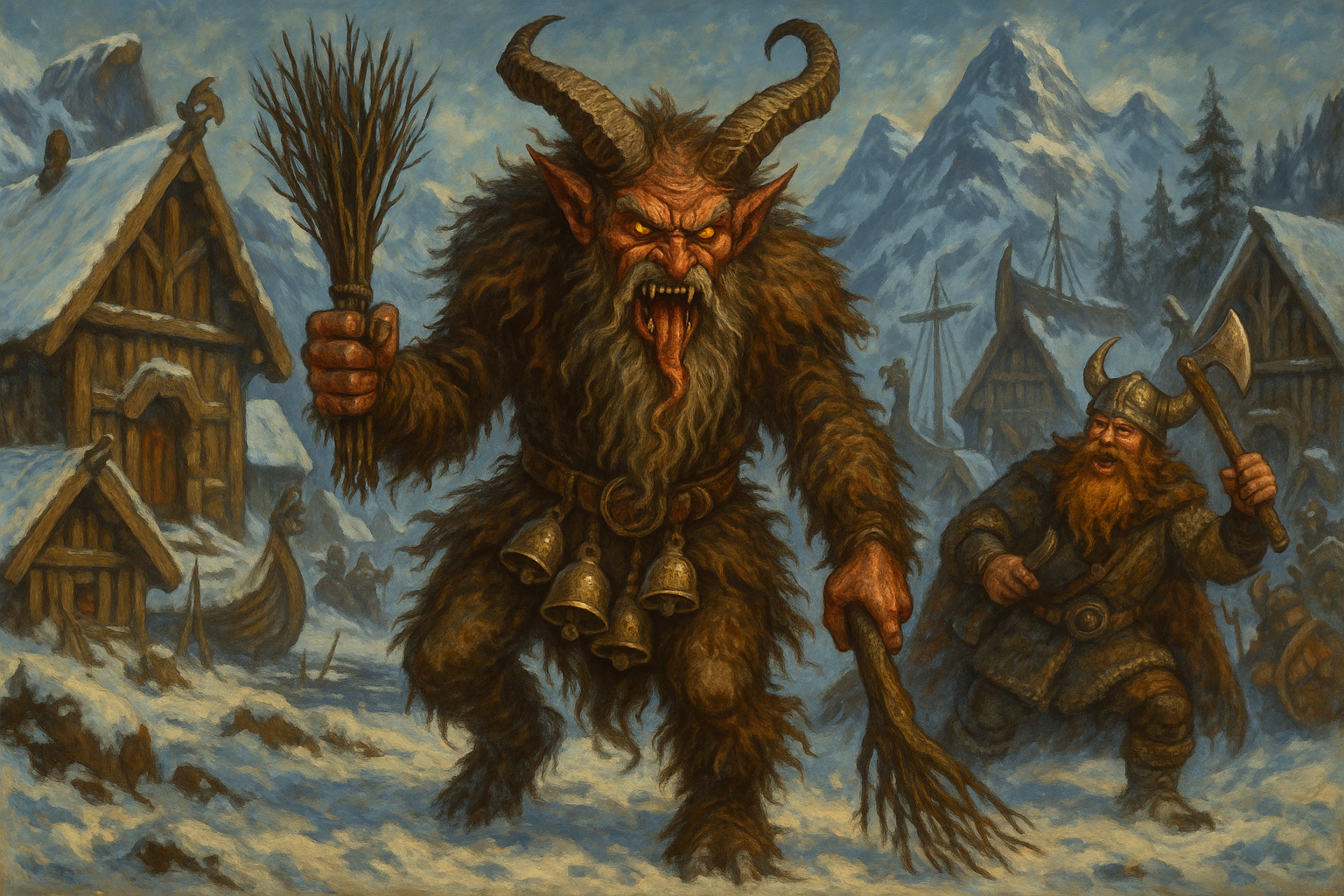
The Dark Pagan Companion of Christmas: Krampus
Krampus, the horned, scary figure often depicted alongside Saint Nicholas, has become a fascinating part of European Christmas folklore in the Alps. Unlike the cheerful gift-giving image of Santa Claus, Krampus embodies a darker, more ancient tradition rooted in Pagan beliefs.
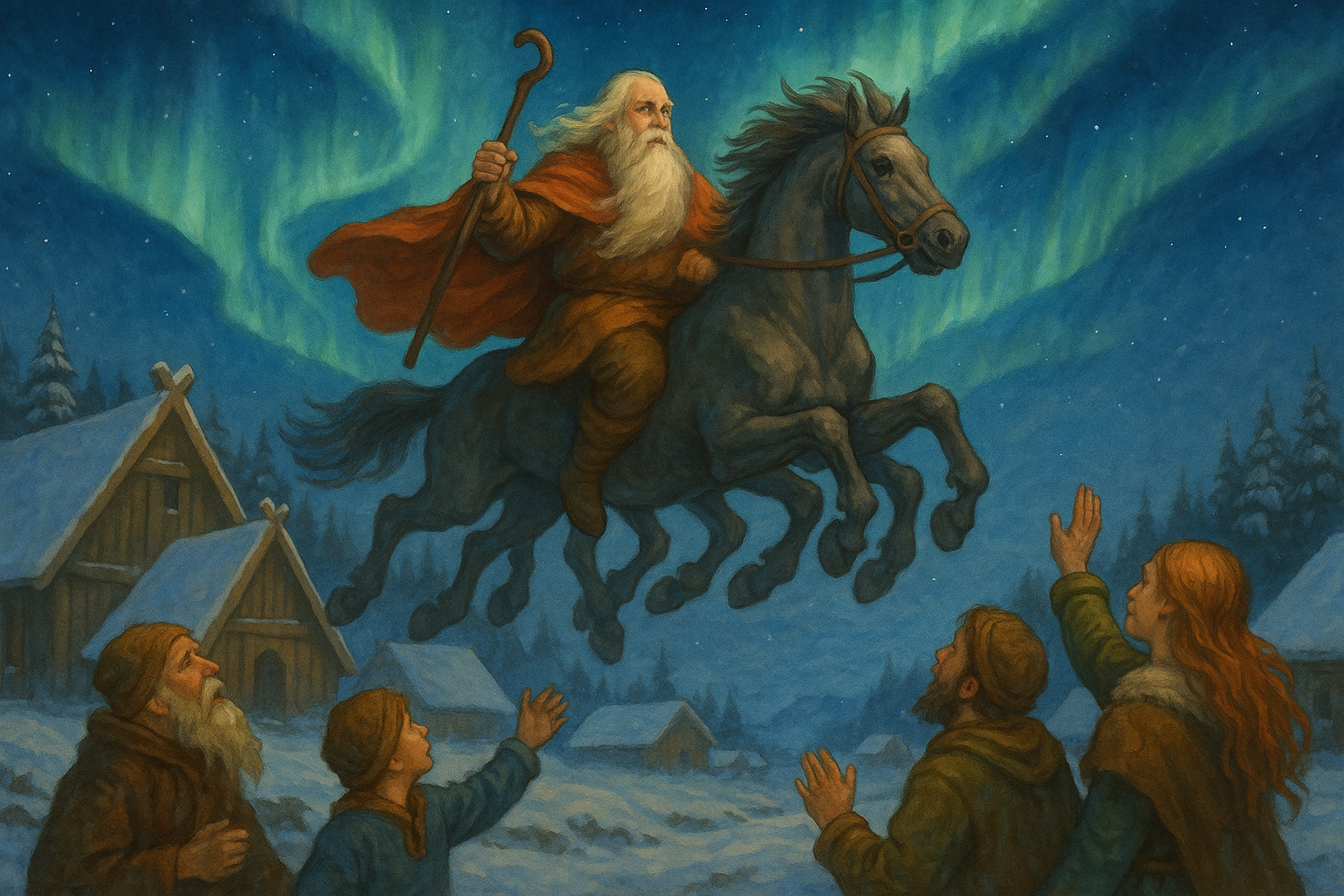
The Norse Pagan Origins of Santa’s Reindeers
Many people know Santa Claus as the jolly figure in a red suit who delivers gifts on Christmas Eve, flying across the sky in a sleigh pulled by nine magical reindeer. But did you know that the roots of Santa’s reindeer can be traced back to Norse Pagan mythology? The connection is both fascinating and ancient.
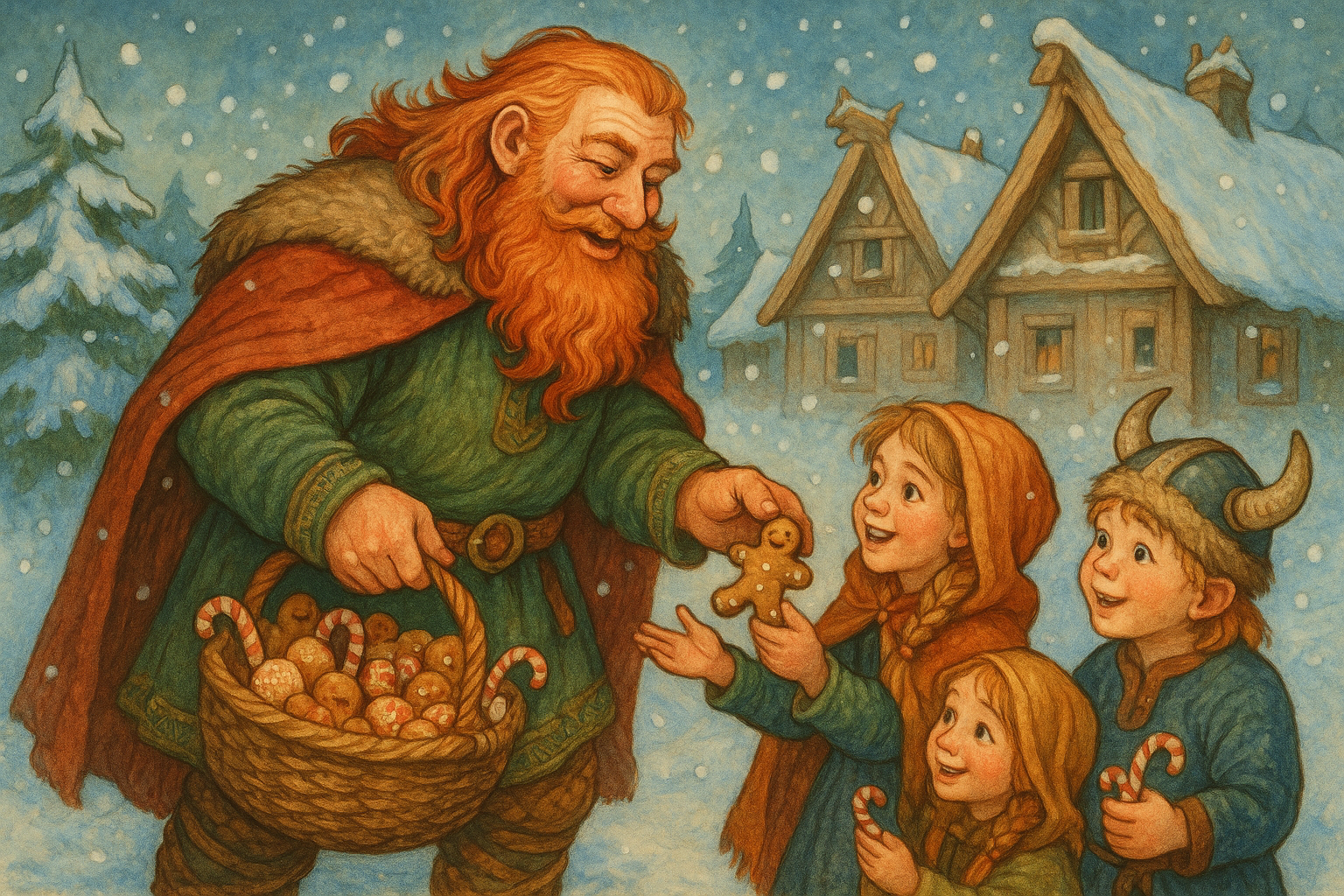
The Pagan Origins of St. Nikolaus
St. Nikolaustag, celebrated on December 6th, is a Christmas tradition still celebrated today across Germanic countries. Children place shoes or boots outside their doors to receive gifts from Saint Nicholas, a practice that seems purely Christian at first glance. However, the roots of St. Nikolaustag stretch back to ancient Pagan traditions in Northern Europe. Understanding these origins reveals how ancient winter customs shaped modern holiday celebrations.
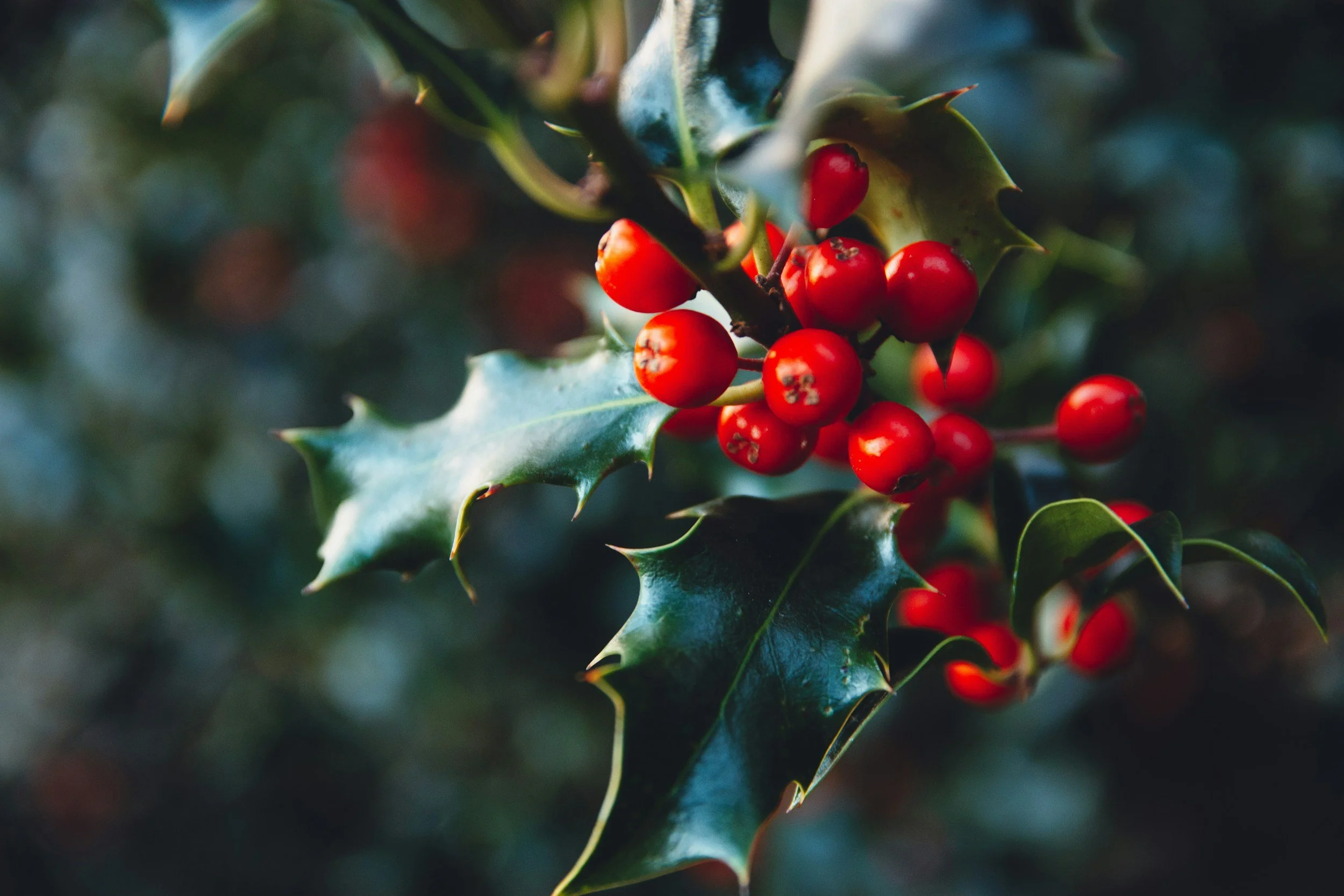
Why Holly Is Sacred to the Druids: A Symbol of Protection, Power, and Eternal Life
Celtic spirituality is rich with sacred symbols, and one of the most powerful among them is holly. With its glossy, spiky evergreen leaves and bright red berries, holly has long been connected to midwinter rituals, protective magic, and the cycle of life, death, and rebirth. For the Druids - the spiritual leaders of the ancient Celts - holly wasn’t just a decorative plant, it was a deeply sacred symbol woven into their cosmology, seasonal ceremonies, and understanding of the natural world.
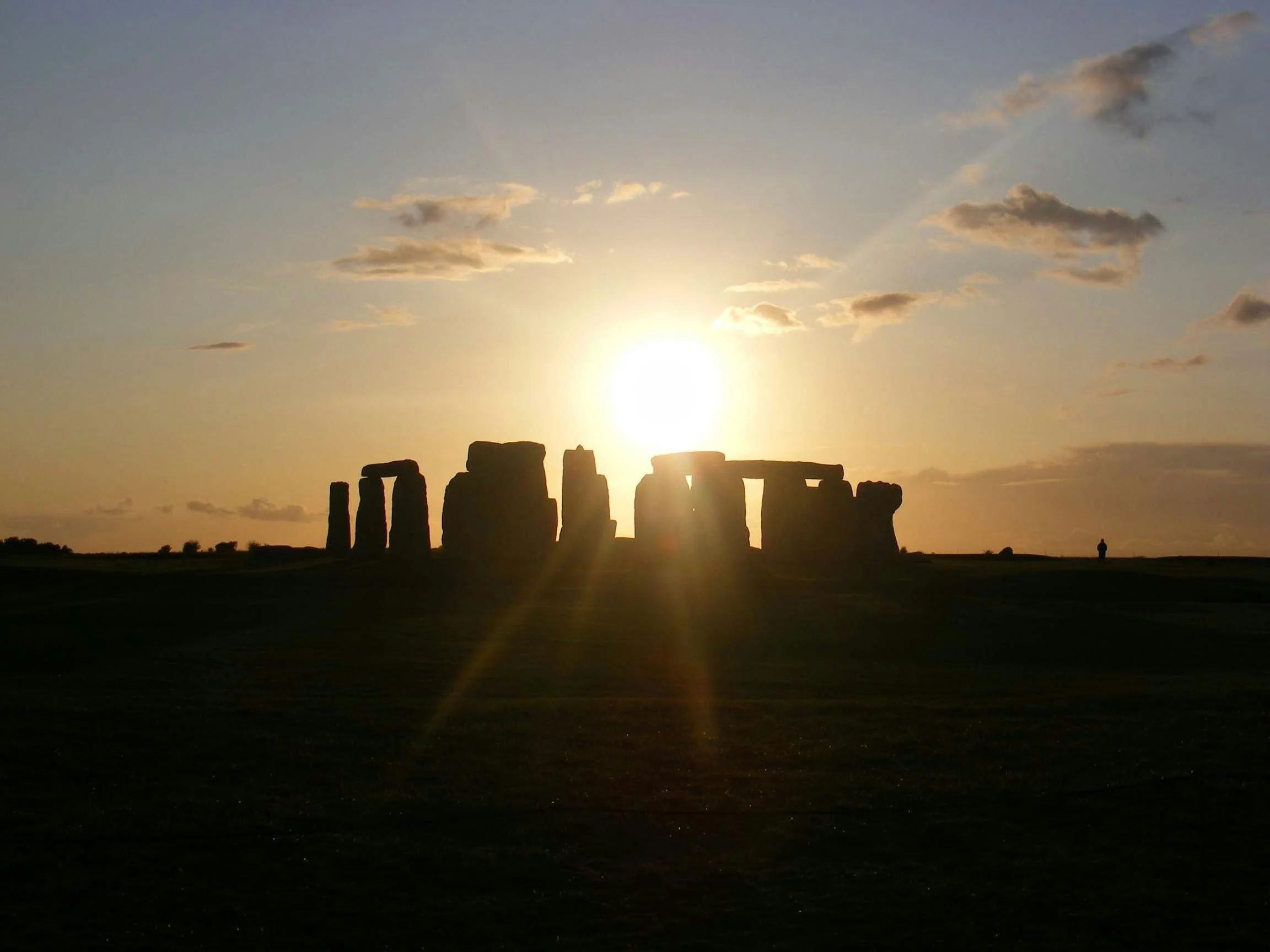
What is the Winter Solstice
Every December, the Northern Hemisphere experiences the Winter Solstice, a powerful celestial event that marks the official start of winter. While many people recognise it as the shortest day of the year, the Winter Solstice carries deeper astronomical, cultural, and spiritual significance. From ancient celebrations to modern traditions, the Solstice has long symbolised renewal, reflection, and the gradual return of sunlight.